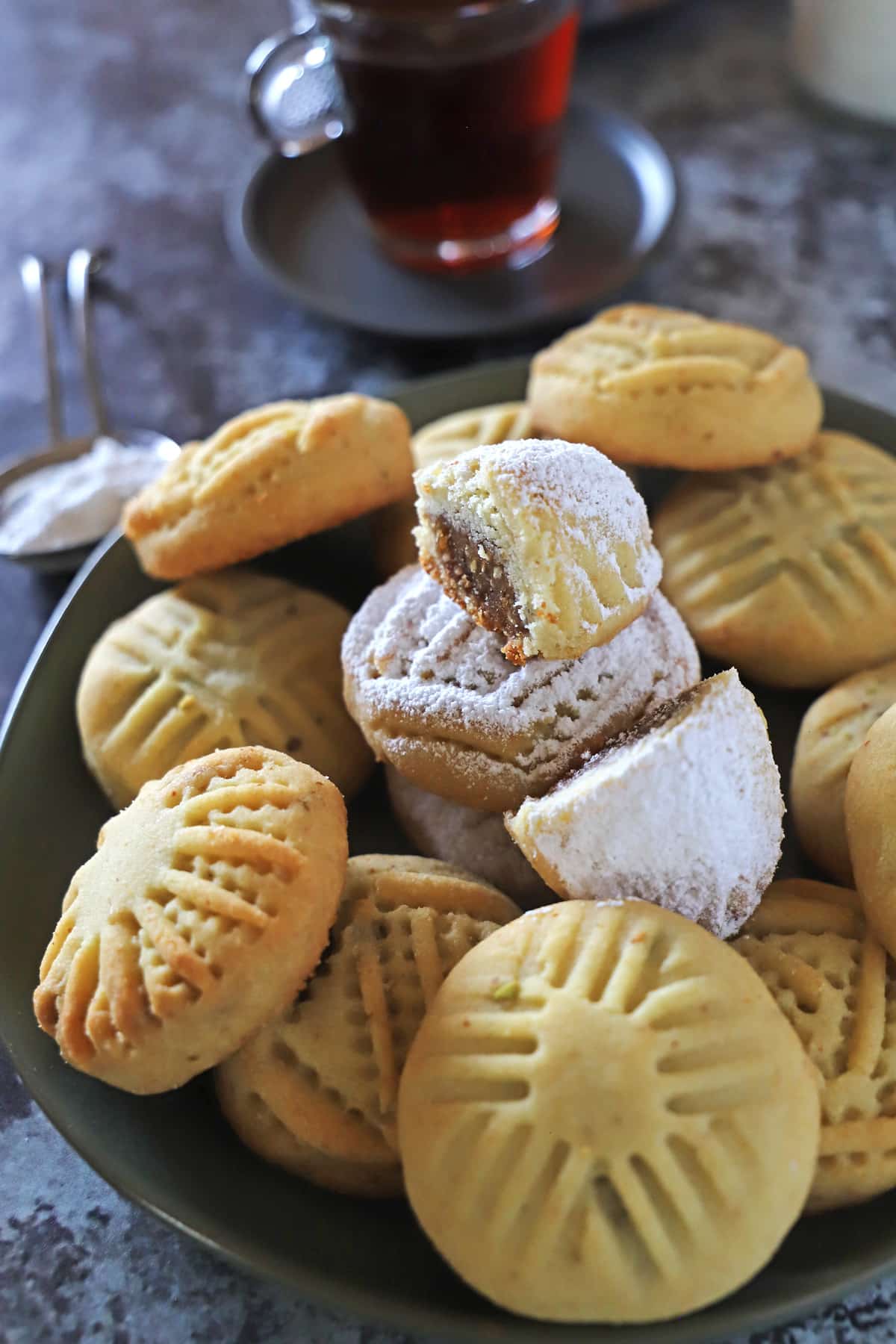
Homemade Maamoul: Buttery Semolina Cookies with Date & Nut Fillings
Indulge in a culinary journey to the heart of the Middle East with Maamoul – exquisite, melt-in-your-mouth semolina cookies that are as rich in flavor as they are in tradition. These buttery delights, often filled with naturally sweet dates or a medley of spiced nuts, are more than just a treat; they are a symbol of hospitality and celebration, gracing tables during cherished holidays like Eid al-Fitr, Easter, and Christmas. While readily available in bakeries across the region, there's an unparalleled joy and depth of flavor in homemade Maamoul that truly elevates the experience. Imagine the aroma of toasted semolina, warm spices, and sweet fruit wafting through your kitchen – a promise of the delicate, tender cookies awaiting their final dusting of confectioner's sugar.
Making Maamoul from scratch allows you to control the quality of ingredients and personalize the fillings to your exact preference. This comprehensive guide will walk you through the art of creating these authentic Middle Eastern treasures, focusing on the beloved date and nut variations, and offering insights to ensure your homemade Maamoul are nothing short of spectacular. Whether you're an experienced baker or a curious beginner, preparing these festive cookies is a rewarding endeavor that connects you to centuries of culinary heritage.
The Allure of Maamoul: A Timeless Middle Eastern Delight
Maamoul, deriving its name from the Arabic word meaning "filled" or "stuffed," perfectly encapsulates the essence of these delightful cookies. At its core, Maamoul is a type of shortcrust pastry, distinctively made with semolina flour, which imparts a signature crumbly yet tender texture that sets it apart from conventional cookies. These spherical or intricately shaped pastries traditionally encase a generous filling, most commonly a luscious date paste, but also popular are aromatic blends of pistachios and walnuts.
Culturally, Maamoul holds a special place in the Middle East, particularly during significant religious holidays. They are a staple of Eid celebrations, marking the end of Ramadan, and are equally cherished during Easter and Christmas, often exchanged as gifts among family and friends. Beyond these festive occasions, Maamoul can be enjoyed year-round, serving as a perfect accompaniment to a cup of freshly brewed mint tea or strong black coffee. The beauty of homemade Maamoul lies in the simplicity of its core ingredients, which are generally inexpensive and easy to source, making this an accessible baking project for anyone eager to explore Middle Eastern confectionery. To truly immerse yourself in the variety of fillings, you might find more inspiration in our guide to
Authentic Maamoul: Date, Pistachio & Walnut Cookie Recipe.
Traditionally, Maamoul are shaped using special wooden molds known as "tabe," which imprint beautiful, elaborate patterns onto the dough. However, don't be deterred if you don't own one; these versatile cookies can also be hand-rolled into elegant balls or flattened discs, with simple fork patterns adding a touch of rustic charm.
Crafting the Perfect Maamoul Dough: The Heart of the Cookie
The magic of Maamoul begins with its distinctive dough, which strikes a delicate balance between buttery richness and a unique crumbly texture. This is primarily achieved through the careful selection and combination of flours and fats.
The Signature Semolina Blend
While some recipes might use all-purpose flour, authentic Maamoul dough typically features semolina, often a blend of both fine and coarse varieties. The coarse semolina provides structure and a pleasant grainy texture, while the fine semolina ensures a tender, melt-in-your-mouth crumb. This combination is key to achieving the characteristic Maamoul mouthfeel that distinguishes it from other shortbreads. Some bakers also experiment with a 50/50 blend of all-purpose and white whole-wheat pastry flour for a slightly healthier, yet equally delicious, outcome.
The Buttery Base: Ghee vs. Butter
The fat used in Maamoul dough is crucial for its flavor and texture. Traditionally,
ghee (clarified butter) is preferred. Ghee, with its deep, nutty aroma and higher smoke point, contributes an unparalleled richness and a slightly toasted flavor that enhances the overall cookie experience. Homemade ghee, in particular, offers a superior depth of flavor. However, high-quality unsalted butter can certainly be used as an excellent alternative, still yielding a wonderfully rich and tender cookie. The fat is gently melted and often rubbed into the semolina and flour mixture, creating a sandy texture before liquids are added. This step, sometimes done overnight, helps the semolina fully absorb the fat, leading to a more tender crumb.
Aromatic Spices and Sweetness
Beyond the main ingredients, the dough is often subtly flavored with traditional Middle Eastern spices. A common blend is
Kaak spice, an aromatic mix that typically includes anise seeds, cinnamon, nutmeg, sesame seeds, cloves, and black caraway seeds. This distinctive blend infuses the dough with a warm, complex fragrance that is instantly recognizable and deeply comforting. If Kaak spice is unavailable, you can approximate its essence by using a combination of ground anise, cinnamon, and a pinch of nutmeg.
For sweetness, powdered sugar is incorporated into the dough, providing a fine, even distribution of sugar without the grittiness of granulated sugar. For those looking to reduce sugar intake, powdered erythritol can serve as a suitable sugar-free alternative. A touch of milk powder further enriches the dough, contributing to its tenderness, while a small amount of water brings it all together to the correct, pliable consistency. When handling the dough, remember to be gentle; overworking can develop gluten and make the cookies tough, compromising their delicate texture.
Delectable Fillings: Date, Walnut & Pistachio Variations
The true character of Maamoul shines through its diverse and flavorful fillings. Each variation offers a distinct taste and aroma, making it possible to cater to every palate.
The Classic Date Maamoul
The most iconic Maamoul filling is made from dates. For the best results, opt for soft, succulent
Medjool dates. Their natural sweetness and tender flesh make them ideal for creating a smooth, rich paste. If using other varieties of dates that are firmer, a brief soak in hot water can help soften them. Alternatively, pre-made date paste, available in many Middle Eastern markets, offers a convenient shortcut. To enhance the texture and make the paste easier to work with, it's often kneaded with a small amount of butter or a neutral oil like vegetable oil. For an extra layer of traditional flavor, a splash of rose water or orange blossom water can be mixed into the date paste, adding a fragrant, floral note that beautifully complements the sweetness of the dates.
Rich Walnut Maamoul
For nut lovers, walnut Maamoul offers a delightful crunchy and aromatic experience. The filling typically consists of finely chopped or ground walnuts, combined with warm cinnamon and a touch of sugar syrup. The sugar syrup (either homemade simple syrup or store-bought) not only sweetens the walnuts but also acts as a binder, holding the filling together and preventing it from drying out during baking. Some recipes might also include a hint of ground cloves to further deepen the spice profile, creating a truly irresistible filling.
Vibrant Pistachio Maamoul
Another popular nut filling is the vibrant pistachio Maamoul. This variation uses finely ground pistachios, which are known for their distinctive green hue and unique earthy flavor. The pistachios are typically blended with fragrant ground cardamom – a spice that perfectly complements their delicate taste – and sweetened with sugar syrup, similar to the walnut filling. For an even more intense green color and refined texture, some prefer to blanch and skin their pistachios before grinding. The combination of bright pistachios and aromatic cardamom creates a visually stunning and incredibly flavorful cookie, often served on special occasions. When thinking about which fillings to make for festivities, consider exploring our
Maamoul for Holidays: Date & Nut Middle Eastern Cookies for more ideas.
Regardless of the filling you choose, it's advisable to prepare them in advance and allow them to cool completely before attempting to stuff the dough. This makes them much easier to handle and shape into uniform portions.
Shaping and Baking Your Homemade Maamoul
Once your dough is rested and your fillings are ready, the artistic part begins: shaping your Maamoul. This step is where these cookies truly come to life, transforming simple dough and filling into beautiful, patterned treats.
The Art of Shaping
The most traditional method for shaping Maamoul involves using special wooden molds, or "tabe." These molds come in various shapes and sizes, each imprinting a unique, intricate design onto the surface of the cookie. To use them, a small piece of dough is pressed into the mold, a portion of filling is placed in the center, and then another small piece of dough seals the top. The cookie is then gently tapped out of the mold, revealing its decorative pattern.
If you don't have access to these traditional molds, there are plenty of creative alternatives. You can roll the filled dough into small balls and then gently flatten them slightly, or use the tines of a fork to create simple, yet elegant, crosshatch patterns on the surface. Another method involves shaping the cookies by hand into small domes or ovals, then using a small maamoul pincer (a decorative tool) to create delicate patterns, much like tiny artistic sculptures. The key is to ensure the filling is completely enclosed by the dough to prevent it from leaking during baking.
Baking for Perfection
Baking Maamoul requires a moderate oven temperature, typically around 350°F (175°C), to ensure they bake evenly without browning too quickly. The goal is a light golden color, particularly on the bottom, with the tops remaining relatively pale to preserve the intricate patterns. Baking times will vary depending on the size and thickness of your cookies, but generally range from 15-25 minutes. It’s crucial not to overbake Maamoul, as this can dry them out and make them less tender. The sign of a perfectly baked Maamoul is a cookie that holds its shape, feels firm to the touch, and boasts that irresistible melt-in-your-mouth texture.
The Finishing Touch
Once removed from the oven, allow the Maamoul to cool completely on a wire rack. This not only prevents them from crumbling but also allows their delicate patterns to set. The final, essential step is a generous dusting of confectioner's sugar over the cooled cookies. This not only adds an extra layer of sweetness but also highlights the beautiful patterns and gives the Maamoul their classic, elegant appearance. Serve these culinary masterpieces alongside a warm cup of mint tea or strong Arabic coffee for an authentic Middle Eastern experience. They also pair wonderfully with other traditional sweets like baklava.
Conclusion
Homemade Maamoul are truly a labor of love, but the reward is undeniable. From the rich, buttery semolina dough infused with aromatic Kaak spice to the delightful surprise of sweet dates, crunchy walnuts, or vibrant pistachios within, each cookie tells a story of tradition, flavor, and family. While the process may seem intricate, the simple, honest ingredients and time-honored techniques come together to create a confection that is both deeply satisfying to make and utterly delicious to enjoy. Whether you're preparing for a holiday feast or simply yearning for a taste of the Middle East, embarking on the journey of baking homemade Maamoul with dates or nuts is an experience that promises to fill your home with wonderful aromas and your heart with culinary joy. Share these beautiful cookies with loved ones and create new memories, one buttery bite at a time.